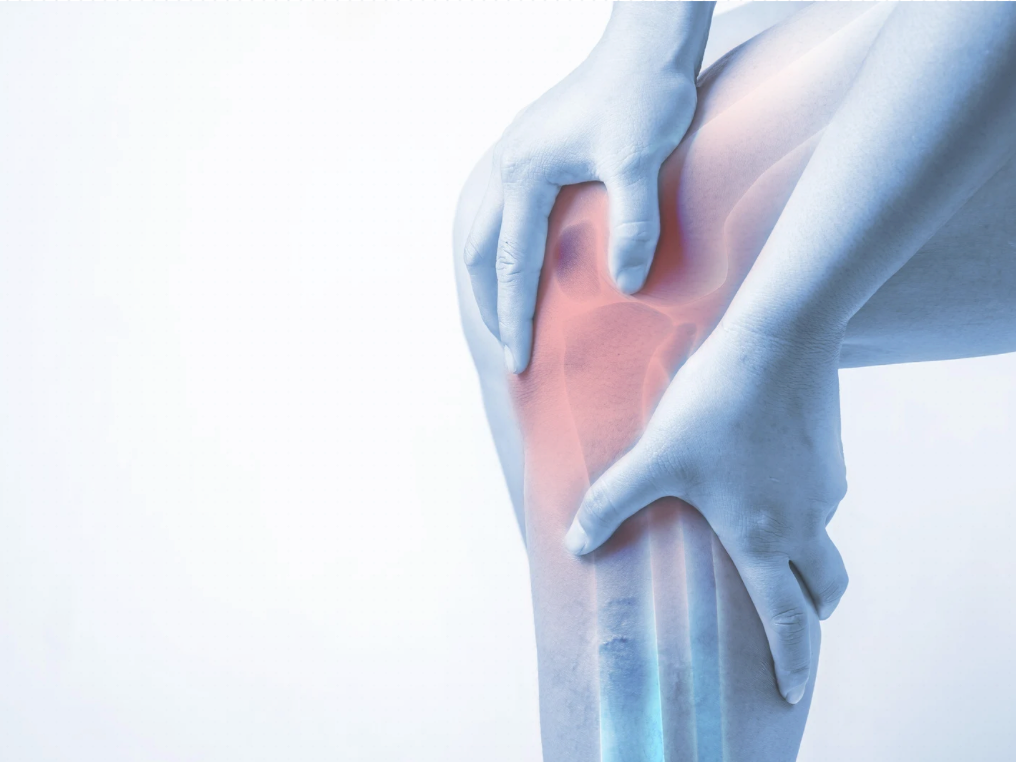
The Problem: Operators of agricultural machinery remain seated for long durations under vibration and physical load, leading to physical and mental fatigue that can affect comfort, performance, and well-being.
The Goal: Evaluate how agricultural seating systems influence operator fatigue during prolonged use and identify human-centered design implications for long-duration seated work.
My Role: UX / Human Factors Researcher - Study Designer (Iowa State University, Ames, IA, USA)
My Responsibilities: Designed and led the full research study, selected and implemented the test battery, conducted all data collection and analysis, synthesized fatigue-related insights, and translated findings into human-centered design implications for agricultural seating systems.

Project at a Glance
Problem: Long-duration seated operation in agricultural machinery exposes operators to sustained load and vibration, contributing to physical and mental fatigue.
Solution: A human-centered evaluation of agricultural seating systems to assess fatigue development during prolonged seated work.
Process: Study design → lab and field data collection → fatigue analysis → insight synthesis
Outcome: Fatigue-aware design implications to inform the evaluation and improvement of agricultural seating systems for long-duration use
_________________________________________________________________________________________
Users & Context
• Agricultural equipment operators
• Long, continuous seated operation
• Exposure to vibration, constrained posture, and sustained physical load
• Evaluation conducted under both controlled laboratory and realistic field-related conditions
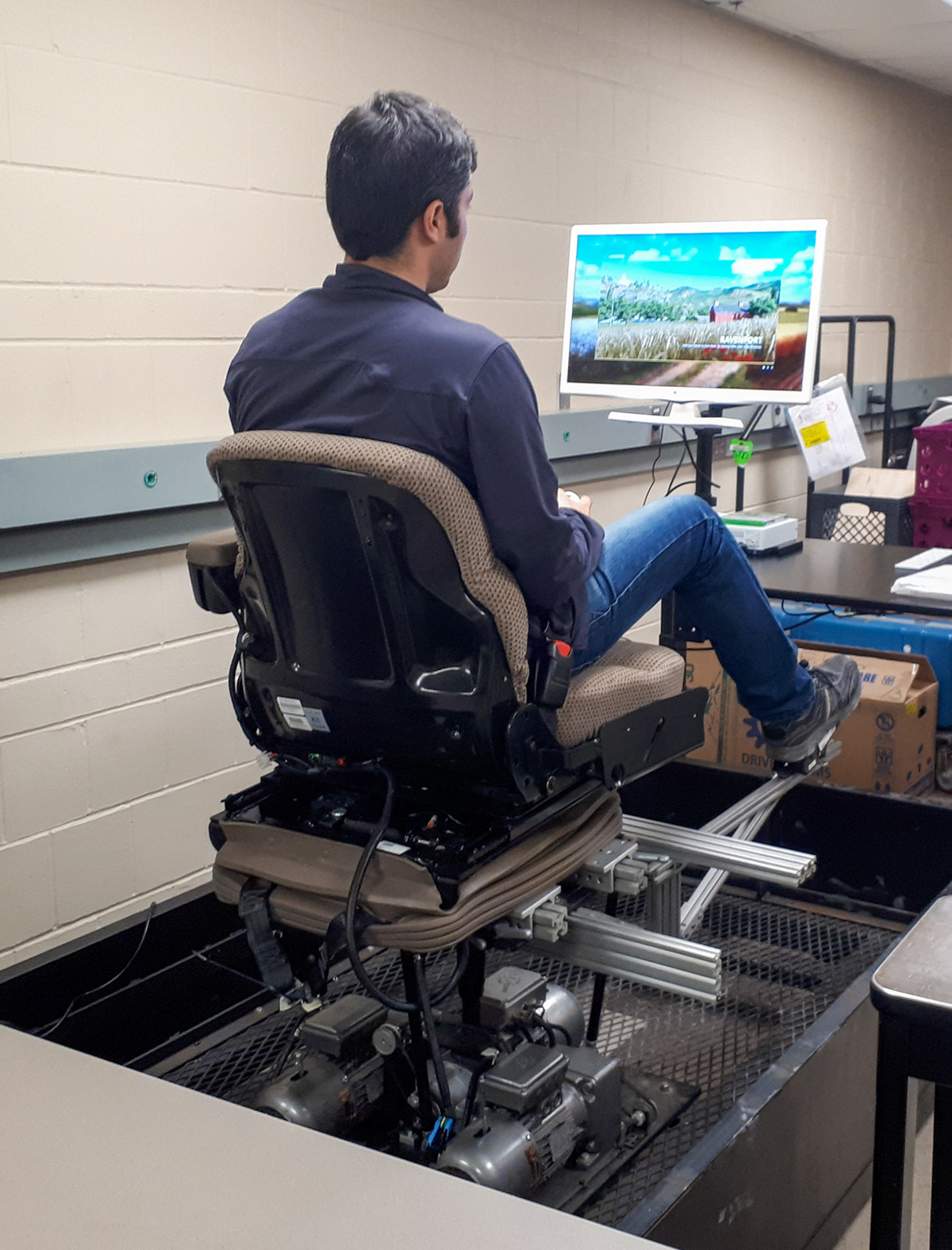
Figure 1. Laboratory setup illustrating controlled evaluation of an agricultural seating system.
_________________________________________________________________________________________
Research Approach (High-Level)
The study used a human-centered, mixed-methods approach to capture physical and mental fatigue during prolonged seated operation, combining:
• Objective measures related to physical and mental load and fatigue
• Subjective assessments of discomfort and perceived fatigue
• Repeated measurements over time to capture fatigue progression
The design intentionally focused on long-duration effects, rather than short-term comfort alone.
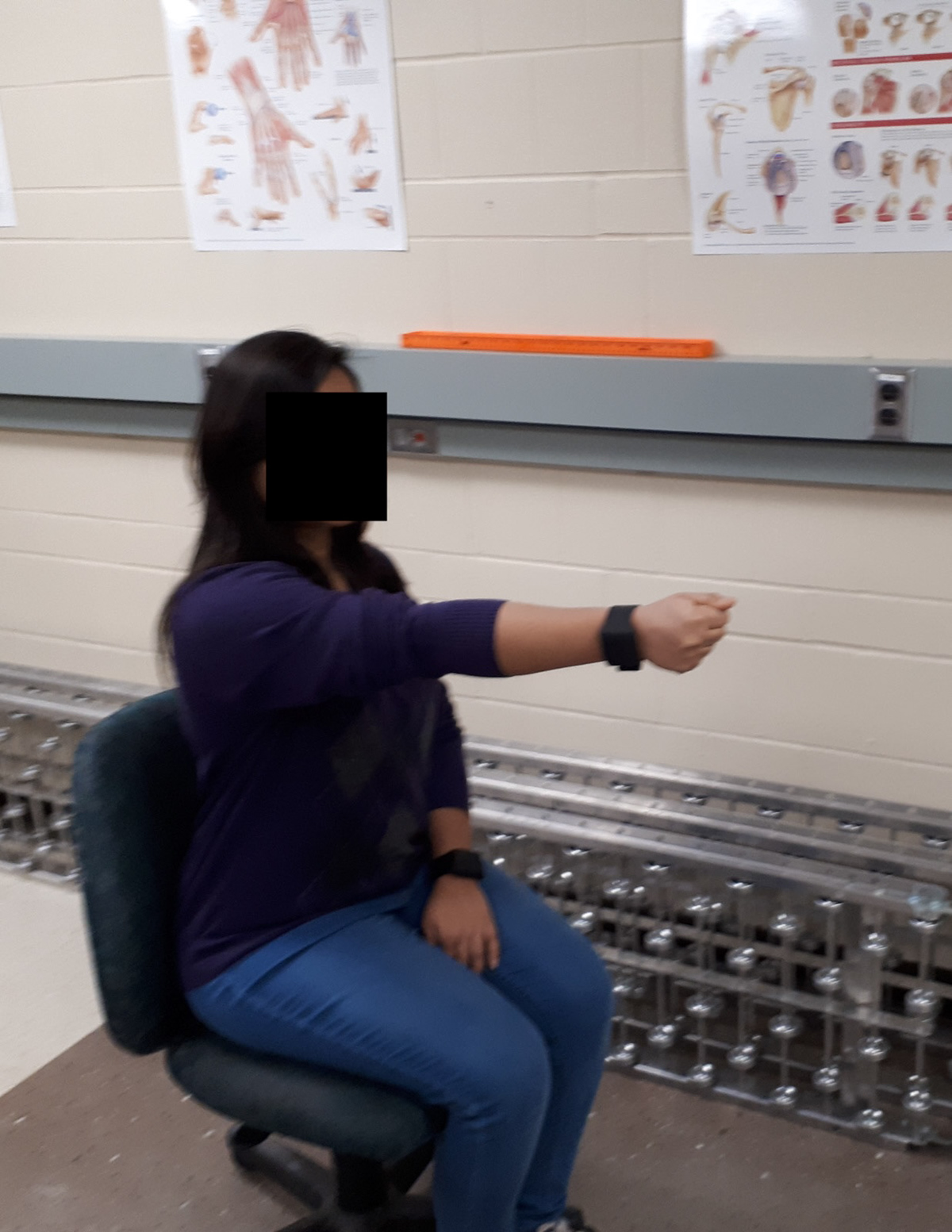
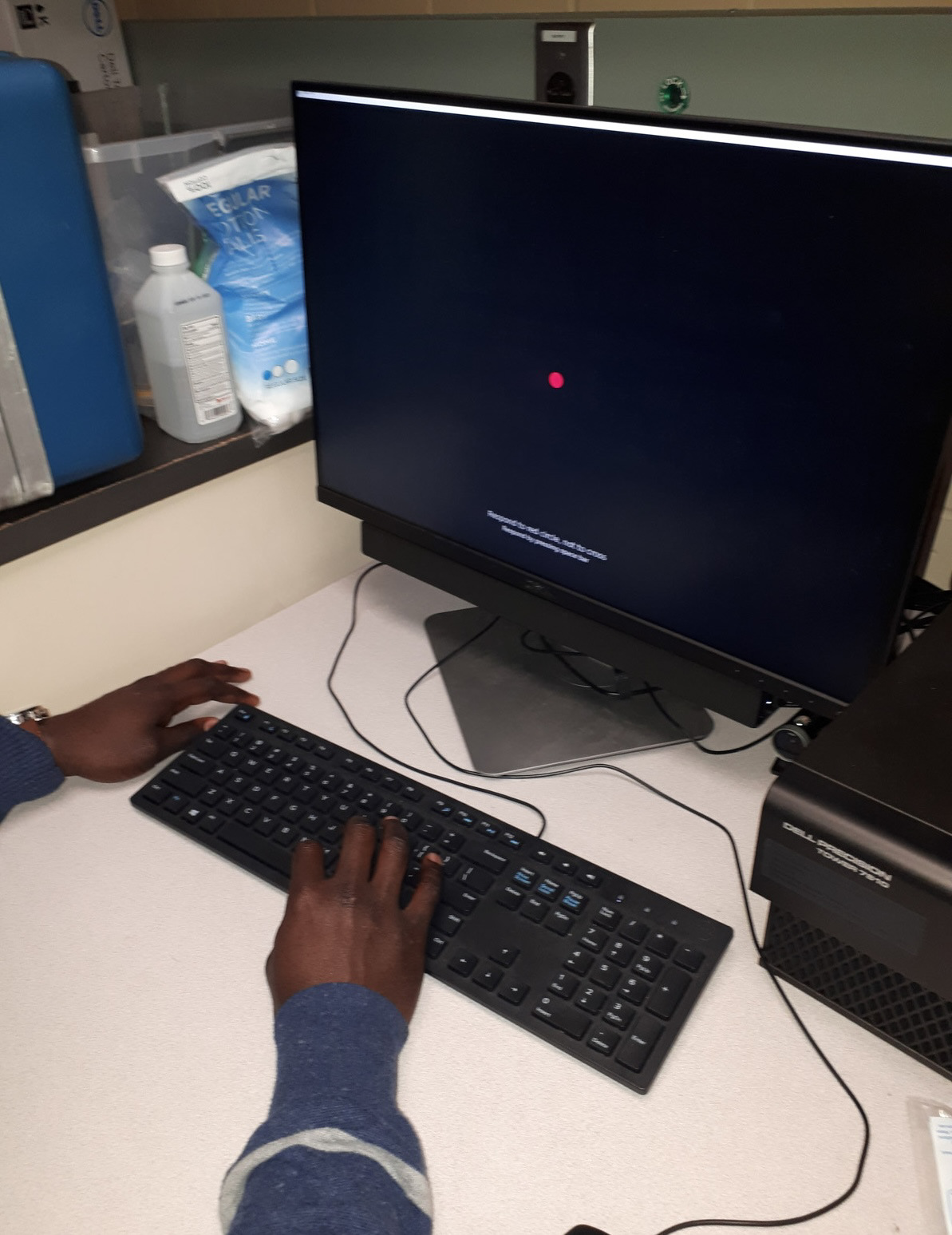
Figure 2. Two examples from the test battery used to evaluate physical and mental fatigue. The left image shows the use of an Empatica E4 wristband to capture upper-extremity postural tremor based on accelerometer data. It also captured heart rate and heart rate variability. The right image shows a participant performing the Psychomotor Vigilance Test to assess behavioral alertness through reaction time.
_________________________________________________________________________________________
Key Insights
1. Fatigue accumulates over time during prolonged seated operation
Fatigue increased progressively during extended use, even when posture and task demands appeared relatively stable.
Design implication
• Seating systems should be evaluated and designed for long-term fatigue mitigation, not only initial comfort.
• Seating systems should be evaluated and designed for long-term fatigue mitigation, not only initial comfort.
2. Comfort and fatigue are related but distinct experiences
Seats that felt acceptable early in use still contributed to measurable fatigue as exposure time increased.
Design implication
• Human-centered seat design must address fatigue reduction, not comfort in isolation.
• Human-centered seat design must address fatigue reduction, not comfort in isolation.
3. Objective and subjective measures capture different aspects of fatigue
Physiological indicators and self-reported fatigue did not always change in parallel, highlighting different dimensions of user experience.
Design implication
• Relying on a single metric risks overlooking important fatigue-related design issues.
• Relying on a single metric risks overlooking important fatigue-related design issues.
4. Real-world context amplifies fatigue effects
While controlled testing enabled comparison, field-related conditions introduced additional demands that influenced fatigue development.
Design implication
• Effective evaluation of industrial systems requires integrating laboratory rigor with real-world context.
• Effective evaluation of industrial systems requires integrating laboratory rigor with real-world context.
_________________________________________________________________________________________
Design Implications & Outcomes
From these findings, I derived the following human-centered design considerations:
• Evaluate seating systems under prolonged exposure, not short trials
• Treat fatigue as a primary UX outcome, alongside comfort
• Use both objective and subjective measures in design validation
• Consider vibration, posture, and duration as interacting factors
These insights inform fatigue-aware design and evaluation of agricultural and industrial seating systems intended for extended use.
_________________________________________________________________________________________
Reflection
This project shaped my approach to physical UX and human-centered system evaluation.
Key takeaways that continue to inform my work:
• Initial comfort does not predict long-term usability
• Fatigue is a critical UX outcome in industrial systems
• Meaningful design decisions require real-world contex
_________________________________________________________________________________________